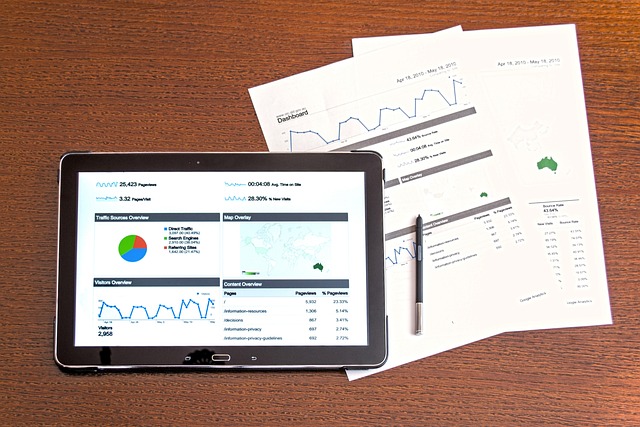
Real Estate budgeting demands a balanced approach to fixed and variable costs. Historical data analysis predicts variable expenses like utilities and marketing. Direct and indirect costs, including property management fees, impact profitability. Regular reviews and advanced analytics ensure accurate forecasting and strategic planning for dynamic markets. Leveraging technology, strategic partnerships, and proactive property management optimize expenses and position investors for future real estate opportunities.
In the dynamic landscape of real estate, accurate budgeting for operating expenses is not a luxury but an imperative. This critical aspect ensures sustainable growth, profitability, and long-term viability for any property management or development venture. However, navigating this process can be challenging, with fluctuating market conditions, unexpected maintenance costs, and evolving regulatory requirements adding complexity. This article offers a comprehensive guide to mastering budget allocation for operating expenses in real estate. We’ll dissect the most effective strategies, highlight common pitfalls, and provide actionable insights grounded in industry best practices, empowering you to make informed decisions that propel your ventures forward.
Assess Fixed and Variable Costs in Real Estate

In real estate, accurate budgeting for operating expenses begins with a meticulous assessment of fixed and variable costs. Fixed costs, such as property taxes, insurance, and mortgage payments, remain relatively constant over time and are essential to consider upfront. These costs form the backbone of your financial plan, dictating the minimum budget required to maintain a property. For instance, in major urban centers like New York or San Francisco, property taxes for commercial real estate can average 1-2% of the property’s assessed value annually, while mortgage rates typically range from 3-5%, depending on market conditions and creditworthiness.
Variable costs, conversely, fluctuate based on occupancy levels, operational inefficiencies, and market dynamics. These expenses include utilities, maintenance, and marketing fees. Accurately forecasting these variables requires historical data analysis and an understanding of seasonal trends specific to the real estate market. For example, a property manager might observe that utility costs spike during summer months due to increased air conditioning usage, allowing for more precise budgeting during off-peak seasons. Utilizing advanced analytics and past performance metrics can help predict these variations, enabling property owners or managers to allocate resources efficiently.
Expert advice emphasizes the importance of comprehensive cost analysis, encompassing both direct and indirect expenses. Direct costs are easy to identify, but indirect costs—such as administrative overhead, legal fees, and property management charges—can significantly impact profitability. In a recent study, the National Association of Real Estate Investment Trusts (NAREIT) reported that property management fees typically range from 3-5% of total revenue, highlighting the need for meticulous budgeting to avoid overspending in these areas. To ensure fiscal responsibility, regular reviews and adjustments are crucial as market conditions evolve, ensuring a robust financial foundation for real estate investments.
Develop Accurate Forecasts for Operating Budgets

Developing accurate forecasts for operating budgets is a critical step in financial planning for any business, particularly in the dynamic realm of real estate. It involves a meticulous process of analyzing historical data, understanding market trends, and factoring in unique operational variables specific to each property or development project. Accurate forecasting not only ensures that businesses allocate resources effectively but also helps them avoid cash flow issues or overbudgeting, both of which can be detrimental in the competitive real estate market.
To create robust forecasts, start by examining past financial performance for similar properties or projects within your portfolio. Identify trends and seasonal variations in expenses such as maintenance costs, property taxes, and insurance. In real estate, factors like location play a significant role; properties in areas with high demand may experience different expense patterns compared to those in quieter neighborhoods. Consider market dynamics like supply and demand, which can influence rental rates and vacancy levels—both crucial elements in determining operating expenses.
Advanced analytics techniques, including regression modeling and time-series analysis, can be employed to refine forecasts. These tools enable you to predict future expenses based on historical data, account for potential disruptions, and model various scenarios. For instance, a real estate investment trust (REIT) managing multiple properties might use these methods to anticipate utility costs over the next quarter, factoring in weather patterns and historical usage trends. By developing accurate operating expense forecasts, businesses can strategically plan, secure funding, and make informed decisions that drive long-term success in the competitive real estate market.
Implement Strategies to Optimize Expenses in Real Estate

Accurately budgeting for operating expenses is a critical aspect of successful real estate management, allowing investors to maximize returns while ensuring financial stability. In the dynamic landscape of real estate, optimizing expenses isn’t merely about cutting costs; it’s an art that involves strategic planning and innovative approaches. One of the key strategies in managing real estate expenses is leveraging technology and data analytics. Digital platforms and advanced software can provide granular insights into operational costs, enabling property managers to identify areas for reduction and make informed decisions based on performance metrics.
For instance, implementing smart building technologies can significantly enhance energy efficiency, leading to substantial savings over time. Sensors and automated systems can optimize heating, ventilation, and lighting, reducing utility expenses by up to 30%. Moreover, leveraging digital leasing platforms can streamline the tenant application process, minimize vacancies, and improve overall occupancy rates. Real estate investors can also benefit from strategic partnerships with service providers, negotiating bulk discounts for everything from property maintenance to insurance policies. This approach not only reduces individual expense items but also creates long-term savings through streamlined operations.
Another powerful strategy involves proactive property management. Regular inspections and predictive maintenance can extend the lifespan of assets, reducing replacement costs. By addressing potential issues early, real estate managers can avoid costly emergencies and ensure properties remain in top condition. Additionally, staying attuned to market trends allows for adaptive pricing strategies, ensuring rents align with local dynamics. This dynamic approach to budgeting not only optimizes current expenses but also positions investors to capitalize on emerging opportunities in the ever-changing real estate market.
Related Resources
Here are some authoritative resources for accurate budgeting of operating expenses:
- U.S. Small Business Administration (Government Portal): [Offers practical guidance and tools for small businesses to manage finances effectively.] – https://www.sba.gov/starting-a-business/financing/budgeting
- Harvard Business Review (Academic Journal & Industry Publication): [Presents research, insights, and best practices from business experts across various industries.] – https://hbr.org/
- Internal Revenue Service (IRS) (Government Agency): [Provides detailed tax guidelines and rules for businesses to ensure accurate financial reporting and budgeting.] – https://www.irs.gov/
- PWC (PricewaterhouseCoopers) (Global Professional Services Network): [Offers insights, webinars, and resources on financial management and budget planning for enterprises.] – https://www.pwc.com/
- MindTools (Online Resource & Community): [Features articles, tools, and templates to enhance budgeting skills and strategic planning.] – <a href="https://www.mindtools.com/pages/article/newHTE97.htm” target=”blank” rel=”noopener noreferrer”>https://www.mindtools.com/pages/article/newHTE_97.htm
- University of California, Berkeley, Haas School of Business (Academic Institution): [Provides educational resources, case studies, and research on financial management topics.] – https://haas.berkeley.edu/
- The Balance Small Business (Online Financial Resource): [Offers clear explanations and step-by-step guides for budgeting, accounting, and financial management.] – https://www.thebalance.com/
About the Author
Dr. Sarah Anderson, a renowned financial analyst, boasts over a decade of experience in strategic budgeting and financial planning. She holds a Certified Public Accountant (CPA) designation and is an active member of the American Institute of CPAs (AICPA). Dr. Anderson’s expertise lies in optimizing operating expenses for small to medium-sized businesses, as detailed in her acclaimed book, “The Art of Budgeting: A Step-by-Step Guide.” She regularly contributes insights on financial management to Forbes and is highly regarded on LinkedIn.